Score Big: The Finest Mens Soccer Boots for Results and Comfort on the Field
Picking the ideal soccer boots is a crucial choice for every player. The perfect pair can boost ability and satisfaction on the field. Elements like comfort level, traction, and mass play an important role in a player's quickness. Yet, many neglect the details that lead to an effective choice. Grasping these components can change a player's game. What specific qualities should one prioritize when picking the perfect soccer boots? The answer may shock you.
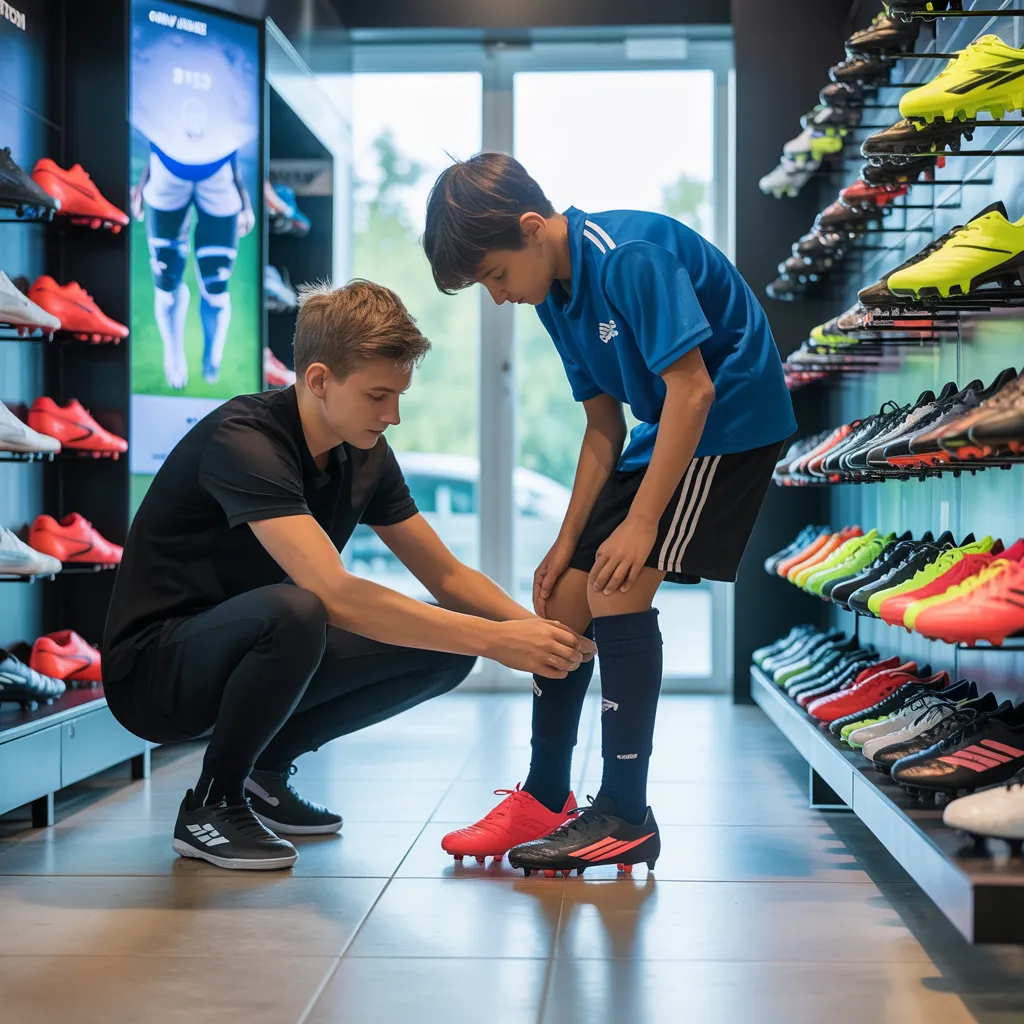
The Significance of Selecting the Right Soccer Cleats
Determining the fitting soccer boots is fundamental for any player, as their ability can greatly affect the game. The proper footwear promotes traction, agility, and overall comfort on the field. Players must consider various factors, including the playing surface—firm ground, soft ground, or artificial turf—as each requires different boot designs.
Furthermore, the sizing and composition of the boots play a significant role in a player's performance. A well-fitted boot reduces injury and allows for better control of the ball. The boot selection can also affect a player's confidence, allowing them to make faster decisions during play.
Additionally, choosing boots that align with one's technique can enhance performance. For example, strikers may prefer lighter boots for speed, while defenders might prioritize durability and support. Therefore, taking the time to choose the right soccer boots is essential for improving performance and enjoyment on the field.
Key Elements to Elevate Your Soccer Performance
When choosing soccer boots, players should value features that considerably impact performance. An perfect fit and comfort level are vital for agility, while traction and grip design increase stability on the field. Additionally, lightweight materials combined with durability ensure that players can maintain their best performance throughout the game.
Perfect Fit And Comfort
An precise fit paired with exceptional comfort is vital for any soccer player wanting to elevate their game. Soccer boots designed with an contoured fit ensure support and reduce the risk of blisters, enabling players to pay attention to their performance. Features such as padded collars and cushioned insoles enhance comfort, allowing athletes to endure long matches without discomfort. In addition, lightweight elements support a natural feel, facilitating agility and speed. Adjustability, including lacing systems that fit various foot shapes, delivers a secure fit. Ultimately, investing in boots that emphasize fit and comfort can significantly impact a player’s confidence and effectiveness on the field, helping them to give their best performance.
Traction And Grip Design features advanced surface patterns that enhance contact with various surfaces.
Traction and grip design are integral to a player’s performance on the soccer field. The right footwear gives support, enabling athletes to make quick cuts, accelerate, and decelerate effectively. Stud placement and configuration are important; strategically positioned studs improve grip on a variety of surfaces, whether firm ground, artificial turf, or soft ground. Additionally, the shape and length of the studs can considerably influence traction. For example, conical studs enable multidirectional movement, while bladed studs offer superior grip during sprints. A well-designed outsole allows players to maintain balance and control, minimizing the risk of slipping. Ultimately, focusing on traction and grip design enhances a player’s agility and confidence, directly impacting their overall game performance.
Lightweight Materials And Long-lasting quality
Lightweight elements and lasting are essential factors that majorly influence a soccer player's performance. Today's soccer boots usually use advanced synthetic textiles and innovative designs, reducing weight without compromising strength. This weight reduction allows players to achieve improved speed and agility on the pitch, strengthening their overall game. In addition, durable materials guarantee that the boots endure the rigors of constant play, reducing the need for frequent replacements. High-quality stitching and reinforced areas contribute to the longevity of the footwear, making it a smart investment for dedicated athletes. Ultimately, the mixture of lightweight construction and strong durability equips players with the confidence to perform at their best, irrespective of the conditions or intensity of the game.
Top 5 Soccer Boots for Athletic Excellence
Throughout the sphere of soccer boots, performance is critical for any player attempting to excel on the field. Essential aspects such as lightweight design, superior grip, and high-quality cushioning solutions can notably impact a player's game. This review will analyze the top five soccer boots that feature these necessary performance features.
Compact Design Positive Aspects
Soccer players aiming to improve their game often select boots that prioritize a light construction, allowing swift movements and agile maneuvers on the field. These boots enhance players' speed by lowering the overall weight, allowing for faster speed bursts and sharper turns. A light structure also reduces fatigue, enabling athletes to maintain peak performance throughout the match. Additionally, the use of advanced materials, such as synthetic fabrics and lightweight foams, guarantees durability without sacrificing comfort. This balance of speed and ease is essential, as players can focus on their skills rather than being hindered by heavy footwear. Ultimately, lightweight soccer boots significantly enhance the overall effectiveness of a player's game, making them a popular choice for athletes at all levels.
Improved Traction Properties
While pace and mobility are fundamental, enhanced traction features in soccer boots play an equally important role in a player's performance. These features greatly influence a player's ability to make sharp cuts, accelerate quickly, and preserve equilibrium on various playing surfaces. Modern soccer boots incorporate advanced stud configurations, which optimize traction and steadiness, allowing players to confidently navigate the field. Some designs leverage a blend of rounded and flat studs that accommodate multiple terrains, ensuring ideal traction whether on grass, turf, or wet fields. Additionally, certain models include specialized outsoles that boost traction during sudden stops and starts. This focus on traction not only strengthens personal play but also contributes to overall game strategy, making it a vital aspect of soccer boot design.
Excellent Comfort Technology
Elevating play on the field, superior cushioning technology in soccer boots provides players with crucial comfort and support. Such technology lessens impact during play, decreasing the likelihood of fatigue and injury. A variety of top brands include advanced materials such as EVA foam and gel inserts to increase shock absorption and energy return. As an example, boots with dynamic cushioning systems offer a more responsive feel, helping players sustain agility and speed. Furthermore, suitable cushioning can boost stability and support natural foot motion, vital for sharp turns and rapid sprints. Given that players look for both performance and comfort, selecting soccer boots with state-of-the-art cushioning technology is crucial for ideal on-field success.
Fitting Your Soccer Boots for Optimal Performance?
Achieving the perfect fit for soccer boots is essential for improving game performance. A well-fitted boot boosts comfort, agility, and control, permitting players to execute accurate movements. To find the right size, players should assess both foot length and width, as sizes can vary among brands. Putting on boots at the end of the day, when feet are slightly swollen, helps recreate game conditions
Additionally, participants should put on the same type of foot coverings they intend to wear during matches. A snug fit is crucial; however, it should not constrict blood circulation. Players should also think about the design of the boot—different types suit various field positions and surface types. Finally, gradually breaking in new boots can help prevent blisters and discomfort. By prioritizing fit, participants can boost their overall performance and enjoy a more satisfying experience on the field.
Simple Ways to Maintain Your Soccer Boots Fresh
Preserving soccer boots in pristine condition is required for keeping performance intact and maximizing their durability. Periodic cleaning is a primary step; players should remove soil and grime after each match using a soft brush or cloth. For more intensive cleaning, tepid water and light soap can be applied, guaranteeing all leftover residues are rinsed completely before air see the facts drying.
Correct preservation also matters greatly. Boots should be kept in a temperature-controlled, dry area, away from intense sun, which can deteriorate materials. Using boot trees can help maintain their shape and reduce creasing.
Additionally, deploying a moisture-resistant treatment can defend against moisture and increase the boots' longevity. Players are advised to switch between pairs, letting each pair to recover and dry out fully. Regular checks for signs of wear can aid identify potential issues before they intensify, making sure the boots keep in top form for peak performance on the pitch.
Standard Problems With Soccer Boots and How to Address Them
Many participants encounter typical issues with their soccer boots that might hinder performance and ease. One usual problem is blisters, often brought on by poor fit or inadequate cushioning. To resolve this, players should make sure to choose the correct size and consider wearing quick-drying socks. Another common concern is insufficient traction, which can lead to slipping on the field. Players can correct this by regularly inspecting and replacing worn-out studs or cleats.
Additionally, some may encounter stiffness in new boots, which can impact agility. A simple solution is to wear them in gradually by wearing them during easy practice drills. Finally, poor moisture control can trigger odors and discomfort. Players should thoroughly clean their boots and allow them to air out after each use. By tackling these problems, players can optimize their soccer boots for improved comfort and performance during matches.
Common Questions Posed Often
How Often Should I Change My Soccer Boots?
Soccer boots should typically be replaced every 6 to 12 months, depending on usage and wear. Symptoms of deterioration, such as diminished grip or ease, indicate the need for a timely replacement to maintain performance.
Is It Possible to Wear Soccer Boots for Other Sports?
Soccer boots can be used for other sports, particularly those played on grass or turf, like rugby or field hockey. However, their design may not provide adequate support for sports requiring different footwear specifications.
What method works best for conditioning new boots?
The best approach to prepare new boots requires progressively wearing them, starting with brief sessions. Bending the materials with light movements and applying leather treatment can increase comfort and fit over time.
Do Multiple Playing Surfaces Need Different Boots?
Yes, assorted terrain types require different boots. Firm ground, soft ground, and engineered grass each showcase specific designs to fine-tune foothold and performance, ensuring players can transition competently to disparate conditions and bolster their game.
Should You Consider Spending in Expensive Soccer Boots?
Expensive soccer boots regularly showcase enhanced performance, refined composition, and better durability, rendering them a prudent investment for serious players. However, individual preferences and performance approaches should also determine the resolution on if to allocate resources.